Add Row
Add Element
cropper
update
Kris Liebsch
update
Add Element
  • Home
  • Categories
    • Hospitality
    • Eco-Travel
    • Consumer
    • News / Trends
    • Environmental
    • Transportation
    • Home / Garden
    • Zero-Waste
July 11.2025
3 Minutes Read

Understanding Nanoplastics Pollution: Essential Insights for Boutique Hospitality Professionals

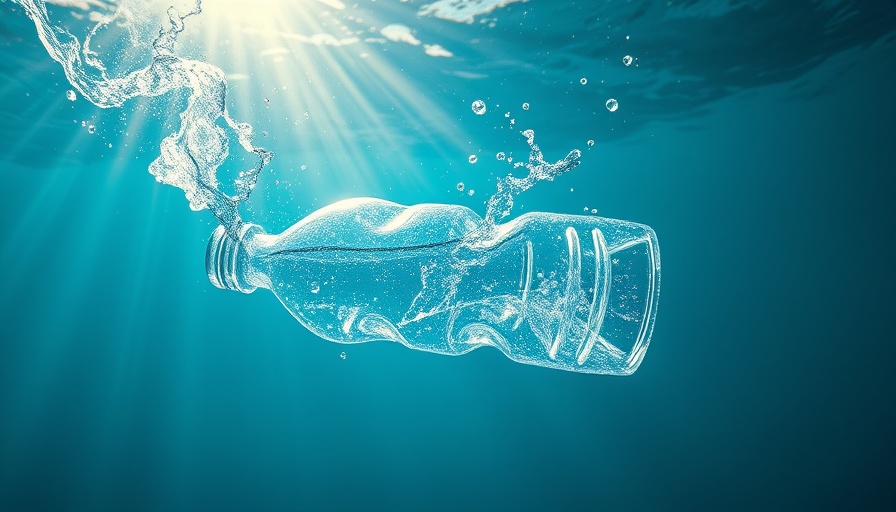
Photorealistic image of nanoplastics pollution with submerged bottle.

Navigating the Hidden Crisis: The Surprising Truth About Nanoplastics

As millions of tons of tiny plastic particles invade our oceans, a disturbing study reveals the alarming levels of nanoplastics in the North Atlantic. Researchers estimate that there are around 27 million tonnes of these microscopic pollutants floating in the waters, a figure that corresponds to the combined weight of all wild land mammals worldwide, as reported by the New York Times. This shocking discovery stresses the urgent need for awareness and action among those in the hospitality industry, particularly boutique hotels and eco-lodges, who are keen on sustainable practices.

Microplastics: The Silent Invaders

Nanoplastics, defined as microplastics smaller than a micrometer, travel globally, infiltrating ecosystems from Arctic ice caps to ocean depths. Unlike larger plastic debris, which is easily spotted and occasionally retrieved, these tiny particles remain largely unquantified, posing challenges for researchers striving to understand their environmental impact. One study emphasizes that not only are nanoplastics prevalent, but they also represent a dominant fraction of marine plastic pollution, overshadowing the more visible macro and microplastics.

The Environmental Fallout: Impact on Marine Life

The impact of plastic pollution on marine fauna is profound. Animals can become entangled in larger debris or mistakenly ingest smaller plastic pieces, which can lead to fatal health complications like blocked gastrointestinal tracts. What’s more, the tiniest nanoplastics can infiltrate the bloodstream through intestinal walls, posing risks not just to marine animals but potentially to human health as well when these toxins enter the food chain. This is a critical insight for boutique hotel operators who should educate their guests about the importance of reducing plastic use and protecting marine life.

An Unseen Problem: The Challenge of Measuring Nanoplastics

Quantifying nanoplastics is no easy task due to their small size and tendency to blend with natural particles. Previous studies focused primarily on macroplastics; however, a 2020 research expedition offered significant insights into this hidden threat, mapping the distribution of nanoplastics across various ocean depths. They discovered that nanoplastics can be found even in the deepest parts of the oceans, revealing the extensive reach of plastic pollution.

Why Boutique Hospitality Needs to Care

As champions of sustainability, boutique hospitality professionals have a unique role in combating plastic pollution. By adopting eco-friendly practices such as replacing single-use plastics with sustainable alternatives, they can lead by example and inspire guests to do the same. Initiatives could include offering biodegradable cutlery, implementing refillable water stations, or promoting a 'no-plastic-policy' in guest accommodations. With such measures, hotels can significantly mitigate the impact of their operations on the marine environment and bolster the appeal of eco-conscious staycations.

Future Trends: Innovations to Combat Plastic Pollution

As the awareness of plastic pollution grows, innovative solutions are developing. Synthetic leather alternatives are emerging as sustainable choices for hospitality businesses, while methods like chaos gardening encourage biodiversity that helps pollinators like bees flourish. Such initiatives not only improve business practices but also contribute to broader climate awareness and conservation goals, reinforcing the interconnectedness of environmental health.

Taking Action: What You Can Do

For boutique hospitality professionals, adopting sustainable practices provides an opportunity to embrace a market trend that aligns with consumer values. Begin by evaluating products and sourcing materials that reduce reliance on sterile plastics and other environmentally harmful materials. Promote educational workshops for staff and guests, emphasizing the importance of marine conservation. By positioning your business at the forefront of the sustainability movement, you can enhance your brand’s reputation while contributing to the ocean’s health.

Erroring on the side of sustainability can also create a ripple effect, encouraging others in your community and industry to consider similar commitments to the environment. Evaluate the resources and knowledge available, create authentic networking opportunities among eco-lodges, and make a collective effort toward reducing plastic waste.

Environmental

Write A Comment

*
*
Related Posts All Posts
02.23.2026

Discover How Kraft Packaging Drives Sustainable Food Service Solutions

Learn about sustainable food service and how Kraft packaging enhances brand identity while reducing environmental impact.

02.21.2026

Are Biodegradable Plastics Good For The Environment? Insights Revealed

Discover if biodegradable plastics are truly eco-friendly. Learn about their environmental impact, the importance of responsible disposal, and how you can contribute.

02.22.2026

Exploring Beyond Growth: Climate Action and the Media Crisis

Update Beyond Growth: A Sea Change in Climate DiscourseThis week, The Guardian highlighted the pivotal theme of 'Beyond Growth' in a series dedicated to envisioning post-growth futures. In a world increasingly burdened by environmental challenges and economic disparities, this narrative is refreshing and essential. As a society, we must embrace the possibility of thriving beyond conventional economic metrics. These dialogues provide a much-needed lens through which we can understand sustainable practices and policy reforms.The Decline of Climate Regulation in the U.S.Amidst this hopeful backdrop, the recent actions of the Trump administration signify troubling times for climate regulation in the United States. Their revocation of legal standing on such matters echoes the chilling sentiments expressed in George Orwell's dystopian narrative, 1984. Orwell's chilling proclamation that “when we are omnipotent, we shall have no more need of science” resonates strongly in today’s politicized climate conversation. Neglect towards scientific guidance undermines our path towards sustainability, illustrating the imperative for informed governance and public discourse.Journalism in Crisis: The Impact of AISimultaneously, the media landscape faces unprecedented challenges. The Thomson Reuters Foundation recently announced the closure of Context, a notable news site, due to dwindling visitor numbers post the launch of AI search engines. This shift highlights an alarming trend: valuable journalism is being compromised as automated journalism takes precedence over human insight. The ongoing tension between technology and journalism prompts a critical reflection on the future of reliable news sources and our reliance on AI-generated content.Your Interests and Climate AdvocacyThis week also saw climate journalist Sammy Roth leverage the Super Bowl's spotlight, using his platform to advocate for energy and climate justice through a thoughtful analysis of Bad Bunny's halftime performance. The blending of entertainment and advocacy is vital as it draws attention to significant issues like climate change and sustainable energy. Those of us engaged in hospitality and eco-tourism can take notes from such strategic integrations—unifying enjoyment with meaningful advocacy can amplify our impact.A Glimmer of OptimismTurning towards the positive, environmentalist Fred Pearce offers five compelling reasons to remain optimistic about the future, encouraging us to embrace hope amidst challenges. This notion of optimism is crucial in eco-hospitality, where sustainable practices and a commitment to the environment form the foundation of any business model. Through conversations, innovations, and practices that celebrate ecological principles, we can foster an optimistic outlook.Reflecting on Our Journey and the Path AheadAs I pause to reflect on my writing journey this week, it’s a reminder that sometimes the best insights come from reconsidering what we choose to share. The process of refining ideas can lead us to more profound understandings, even if it means leaving some articles unpublished. With half-term approaching, it’s also an opportune moment to recharge and reassess our direction. Use these insights to engage your community more deeply, and consider how you can advocate effectively.Embracing Change: Key TakeawaysIn conclusion, as we navigate through these evolving narratives—be it the need for climate regulation, the crisis in journalism, or climate advocacy through popular culture—it's vital to remain proactive. These discussions promote actionable insights that not only enrich our lives personally but contribute to a broader understanding of our environmental duties and responsibilities. Embracing these changes is crucial for sustainable progress.Let's collaborate on these pivotal discussions. In fostering dialogue, we can illuminate various pathways towards sustainability and enriched community experiences.

Terms of Service

Privacy Policy

Core Modal Title

Sorry, no results found

You Might Find These Articles Interesting

T
Please Check Your Email
We Will Be Following Up Shortly
*
*
*