Add Row
Add Element
cropper
update
Kris Liebsch
update
Add Element
  • Home
  • Categories
    • Hospitality
    • Eco-Travel
    • Consumer
    • News / Trends
    • Environmental
    • Transportation
    • Home / Garden
    • Zero-Waste
October 20.2025
3 Minutes Read

Transform Your Winter Landscape with Helleborus Rockies Series: Eco-Friendly Touch

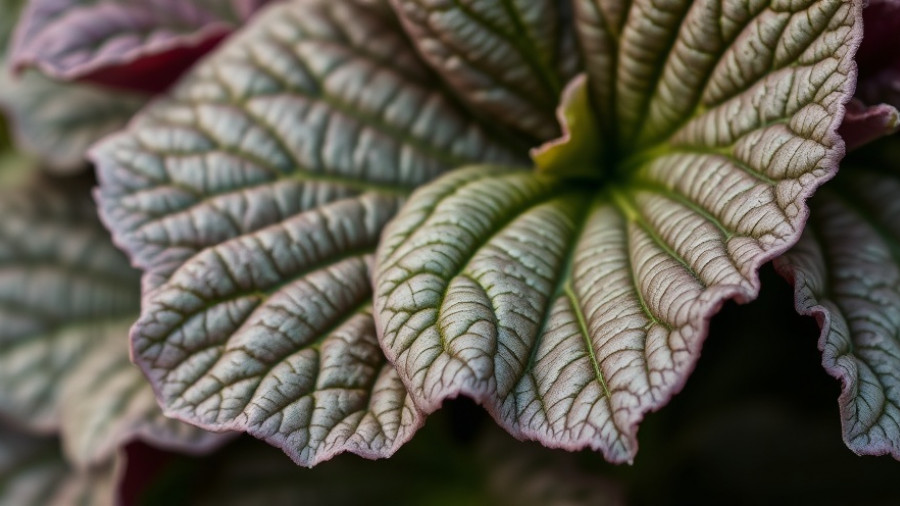
Intricate hellebore leaves in eco-friendly garden.

Winter's Colors: Discover the Beauty of the Helleborus Rockies Series

The Rockies Helleborus series is a selection of stunning perennial plants that are recognized for their ability to bring life and color to winter gardens. As hardy plants suitable for USDA Zones 6–9, these hellebores start unfurling new growth late in winter, boasting buds that transition from blush to vibrant colors as spring approaches.

While many plants lay dormant in winter, the Rockies Hellebores defy expectations with their unique palette of burgundy, chartreuse, and white, creating a lively contrast against the backdrop of a cold garden. Beyond their blooms, it’s the textured foliage that captivates gardeners—sturdy, evergreen leaves that maintain structural interest long after the flowers are gone.

The Unique Varieties that Make Up the Series

Each variety in the Rockies Hellebores series brings its own charm, providing endless possibilities for garden design:

  • Mount Nebo: Featuring deep crimson foliage, this variety adds a dramatic flair.
  • Pike’s Peak: Known for its jagged, silvery leaves that photograph beautifully.
  • Snowshoe Mountain: Distinguished by its blushed stems and soft-textured, freckled leaves.
  • Mount Teton: Bold and rugged, its leaves live up to the mountain's rugged name.
  • Hollowtop Mountain: Exhibiting marbled foliage alongside chartreuse to white blooms.
  • Table Mountain: Erupts in green and gold, complemented by rosy purple flowers.

As these varieties gain popularity—recognized at major horticultural events and awarded Retailer's Choice at Cultivate 2024—they present a remarkable opportunity for eco-conscious home and garden enthusiasts.

Why Hellebores are Perfect for Eco-Friendly Gardening

Hellebores offer many advantages for sustainable home design and eco-friendly gardening. Firstly, their resilience ensures that once established, they thrive even with minimal care. These plants require little water compared to other varieties, making them perfect for water conservation practices. Their evergreen foliage means they provide shelter for overwintering wildlife and bring color to a winter garden, promoting biodiversity year-round.

Additionally, hellebores have a low carbon footprint, needing less fertilizer when planted in well-draining soil, especially if combined with composting techniques. Using organic mulch in your winter garden enhances soil health and insulates the roots during colder months—a win for both your plants and the environment.

Caring for Your Hellebores Through Winter

To keep your hellebores thriving during winter, follow a few essential practices:

  1. Warmth in Cold: Even hardy hellebores appreciate protection from harsh winter conditions. A light mulch of organic materials around the plant base can guard against frost.
  2. Starter Plants for Speed: Starting with established potted hellebores can help you achieve quicker blooms in your garden.
  3. Water Wisely: Utilize the finger test for precise watering during winter; only water if soil is dry to ensure your hellebores don’t suffer from root rot.
  4. Timely Fertilization: Apply a balanced, slow-release fertilizer when new growth appears in late winter—avoid late fall when young growth may be susceptible to freezing.
  5. Ideal Planting Location: Choose locations with rich, well-draining soil in partial to full shade to keep soggy roots at bay.

Inspiring Future Trends in Eco-Landscaping

As the push for greater sustainability continues in home and garden practices, plants like the Rockies Helleborus series will likely lead the trend. Their year-round interest, combined with a minimal need for resources, positions hellebores as ideal candidates for eco-conscious landscaping solutions. Imagine a winter garden flourishing in harmony with nature, reducing environmental impact while enhancing the beauty of your surroundings.

Consider how incorporating these plants can reflect your values and commitment to sustainability. Taking action today by choosing hellebores can pave the way for a vibrant, eco-friendly garden for years to come.

Explore Sustainable Gardening Practices

If you’re intrigued by the potential of the Rockies Helleborus series for your winter garden and wish to embrace more sustainable gardening practices, consider expanding your knowledge in eco-friendly gardening. Engage with local horticultural experts, attend workshops on composting, or explore online resources that guide you in creating a zero-waste garden.

Hellebores offer far beyond just beauty; they symbolize the shift towards intentional and sustainable living. By choosing these plants, you are investing in a garden that thrives naturally and supports wildlife too.

Start today, and let your garden become a testament to eco-friendly practices that resonate within your community.

Home / Garden

Write A Comment

*
*
Related Posts All Posts
12.12.2025

Explore Sustainable Home Design: Transform Your Front Garden into a Pollinator Sanctuary This Autumn

Update Embrace Autumn: Transforming Your Front Garden into a Pollinator Paradise As we welcome the cooler breezes and the vibrant hues of fall, the changing season presents a unique opportunity for eco-conscious homeowners to enhance their gardens. This year, autumn has shaped my front garden into a spectacle of colors, blooms, and buzzing activity, rich with the life of pollinators amidst the golden days of late-year sunlight. Autumn's Bounty: Upcoming Blooms and Pollinator Dynamics Native plants like the Fall Aster (Symphyotrichum oblongifolium) and the Gulf Muhly are already putting on a show, delighting not just the eye but also providing critical nourishment for our dwindling pollinator populations. As bees, butterflies, and even migrating hummingbirds prepare for winter, these plants ensure that the garden remains a vibrant haven. Each stroll through my garden reveals the buzz of honeybees and the delicate flutters of monarchs, as they navigate through the rich pollen sources provided by my carefully chosen blooms. The beauty of including native species is that they have adapted to the local climate, requiring less water and maintenance—true testaments to sustainability in gardening. Choosing Native Plants: Benefits Beyond Beauty In this journey toward creating a sustainable front garden, incorporating native flora not only beautifies your space but also fosters biodiversity. Native flowers like Gregg's Mistflower and Maxmilian Sunflower offer more than just visual appeal; they actively support local ecosystems by feeding vital wildlife and conserving water. Choosing plants that can thrive on their own means less reliance on chemical fertilizers and pesticides, aligning your gardening practices with eco-friendly principles. Embracing these resilient plants allows us to create gardens that echo the wild landscapes of our region while preserving more resources for generations to come. Water Conservation: The Smart Way to Garden With drought conditions a continual challenge in many areas, water conservation should be a primary concern for gardeners. Many native plants are drought-tolerant and require significantly less water compared to traditional garden species. By adapting our watering techniques and focusing on appropriate plant choices, we can ensure that our gardens thrive while remaining environmentally responsible. Using mulch and establishing rainwater collection systems can also ease the burden of watering while enriching soil health. This mindful approach makes gardening enjoyable without the ongoing battle against nature’s elements. Enhancing Wildlife Habitats: A Community Approach Creating a garden that attracts essential pollinators isn't just a personal undertaking; it contributes to the broader ecological community. By planting a variety of native species, we can develop vital habitats that nurture wildlife through the seasons. This effectively turns your front yard into a sanctuary where birds flock to feed and butterflies find refuge. Actions like leaving some seed heads intact for winter bird feeding or providing shelter plants can further enhance your garden's appeal to local fauna. Simple choices lead to significant joys and connections with nature right in our backyards. Practical Tips for an Eco-Friendly Garden To maximize your garden's sustainability, consider these practical steps: Opt for native plants: Their resilience reduces the need for maintenance and chemical treatments. Collect rainwater: Set up a rain barrel to supplement your watering needs without taxing local resources. Embrace regenerative practices: Techniques such as composting and mulching can enrich your soil and decrease waste. Plant in layers: Create a diverse ecosystem within your garden by mixing various plant heights and types. Celebrate the Change: Your Role in Sustainable Gardening As autumn unfolds, your front garden can transform into a vibrant palette of colors while supporting crucial wildlife and reducing your environmental footprint. Even if you start with just a few native plants, your efforts can contribute significantly to local biodiversity and inspire your neighbors. This season, let’s embrace sustainable gardening practices. Engage with local gardening groups, share tips, and learn from one another's experiences. Together, we can create beautiful, eco-conscious outdoor spaces that reflect our values and enhance the community. Ready to start your gardening transformation? Dive into the world of native plants and sustainable practices!

12.09.2025

How to Make a Bold, Eco-Friendly Christmas Wreath at Home

Learn how to create a bold Christmas wreath idea using foraged materials. Discover eco-friendly gardening practices and seasonal inspiration with this step-by-step guide.

12.08.2025

No Room for a Christmas Tree? Discover Sustainable Plant Alternatives

Discover alternative Christmas plants that fit your space, perfect for eco-friendly gardening and zero-waste practices this festive season.

Terms of Service

Privacy Policy

Core Modal Title

Sorry, no results found

You Might Find These Articles Interesting

T
Please Check Your Email
We Will Be Following Up Shortly
*
*
*