Add Row
Add Element
cropper
update
Kris Liebsch
update
Add Element
  • Home
  • Categories
    • Hospitality
    • Eco-Travel
    • Consumer
    • News / Trends
    • Environmental
    • Transportation
    • Home / Garden
    • Zero-Waste
June 19.2025
3 Minutes Read

Senate's Clean Energy Tax Credit Rollback: A Costly Mistake for Hospitality Entrepreneurs

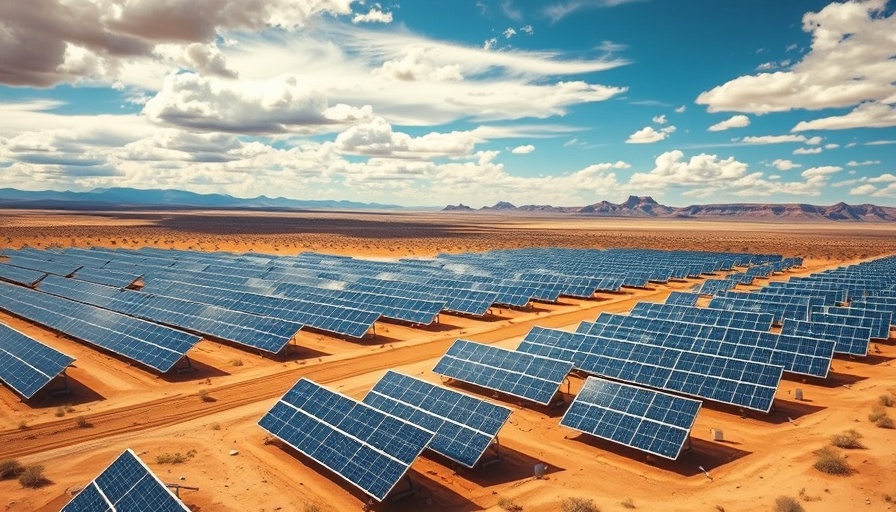
Solar panels under sunny sky symbolize clean energy tax credit rollback.

Senate Rollback of Clean Energy Tax Credits: An Unwise Decision

In a crucial move that could have seismic implications for the U.S. energy landscape, the Senate's recent draft legislation proposes eliminating or significantly reducing tax credits aimed at promoting clean energy. If enacted, these changes would dismantle vital incentives established under the Inflation Reduction Act, widely regarded as a cornerstone of the nation’s green energy strategy. Within just 180 days, consumers could lose the popular $7,500 electric vehicle tax credit, along with other rebates for solar installations and energy-efficient home upgrades.

Job Losses and Economic Impacts: A Predictable Outcome

Jason Grumet, CEO of America’s Clean Power, described the Senate's plan as a harbinger of rising electricity costs and significant job losses, particularly affecting Republican-dominated districts that are heavily invested in clean energy development. As the energy sector pivots towards sustainability, the rollback could jeopardize up to hundreds of thousands of jobs, driving technological advancements and economic growth overseas. This would be a pronounced setback for local economies witnessing the growth of renewable energy initiatives.

List of Key Tax Credit Changes Affecting Clean Energy Growth

The proposed legislation outlines specific modifications to existing incentives:

  • Elimination of the $7,500 EV tax credit for consumers within six months, which supports the growing market for electric vehicles.
  • Phase-out of federal tax credits for solar and wind power, where eligibility hinges on project timelines, forcing many initiatives to either rush construction or face diminished incentives.
  • Sunset on tax credits for projects that do not begin construction before 2028, creating a ticking clock that could stymie innovation and long-term planning.

The Bigger Picture: Climate Crisis and Clean Energy

As climate awareness rises globally, the need for aggressive action to curb emissions has never been more urgent. Recent predictions warn that failing to embrace sustainable practices could exacerbate natural disasters and climate extremes—including heatwaves, floods, and wildfires. Rolling back financial support for clean energy threatens our progress toward sustainable development and resilient ecosystems, which are essential for mitigating these severe weather events.

Future Predictions: Where Do We Go From Here?

If this legislation passes, the implications for eco-conscious industries like boutique hospitality could be profound. Small-scale hotel owners, eco-lodge operators, and Airbnb hosts could face higher operational costs due to increased energy expenses, thus diminishing their competitive edge in an environmentally conscious market. Additionally, with the loss of incentives for eco-friendly upgrades, establishments won’t be able to meet growing consumer demand for sustainable choices.

Actionable Insights for Hospitality Professionals

Here’s what you can do to navigate this turbulent landscape:

  1. Stay Informed: Keep tabs on legislative changes and community programs that encourage clean energy.
  2. Invest Early: If you’re considering solar panels or EV infrastructure, act before the proposed cuts take effect.
  3. Market Your Efforts: Make sure to highlight your commitment to sustainability to attract eco-aware travelers.

How This Affects Local Ecosystems

Ultimately, this legislative push not only impacts economic interests but the very fabric of our ecosystem. Clean energy projects contribute to the preservation of vital resources, such as wildlife habitats, nature reserves, and coral reefs. As small-business leaders in hospitality consider their operational strategies, embracing sustainability is paramount. The fallout of fewer incentives may influence operational decisions significantly; thus, pursuing eco-friendly practices is not just ethical but vital for long-term viability.

Concluding Thoughts: The Path Forward

In the wake of this legislative initiative, it is imperative for industry leaders and concerned citizens alike to advocate for clean energy incentives. By raising awareness and supporting policies that promote sustainability, the potential damage from this proposed rollback can be mitigated. As a community of professionals focused on eco-conscious practices, let’s mobilize to protect our environment and economic prosperity!

Environmental

Write A Comment

*
*
Related Posts All Posts
02.23.2026

Discover How Kraft Packaging Drives Sustainable Food Service Solutions

Learn about sustainable food service and how Kraft packaging enhances brand identity while reducing environmental impact.

02.21.2026

Are Biodegradable Plastics Good For The Environment? Insights Revealed

Discover if biodegradable plastics are truly eco-friendly. Learn about their environmental impact, the importance of responsible disposal, and how you can contribute.

02.22.2026

Exploring Beyond Growth: Climate Action and the Media Crisis

Update Beyond Growth: A Sea Change in Climate DiscourseThis week, The Guardian highlighted the pivotal theme of 'Beyond Growth' in a series dedicated to envisioning post-growth futures. In a world increasingly burdened by environmental challenges and economic disparities, this narrative is refreshing and essential. As a society, we must embrace the possibility of thriving beyond conventional economic metrics. These dialogues provide a much-needed lens through which we can understand sustainable practices and policy reforms.The Decline of Climate Regulation in the U.S.Amidst this hopeful backdrop, the recent actions of the Trump administration signify troubling times for climate regulation in the United States. Their revocation of legal standing on such matters echoes the chilling sentiments expressed in George Orwell's dystopian narrative, 1984. Orwell's chilling proclamation that “when we are omnipotent, we shall have no more need of science” resonates strongly in today’s politicized climate conversation. Neglect towards scientific guidance undermines our path towards sustainability, illustrating the imperative for informed governance and public discourse.Journalism in Crisis: The Impact of AISimultaneously, the media landscape faces unprecedented challenges. The Thomson Reuters Foundation recently announced the closure of Context, a notable news site, due to dwindling visitor numbers post the launch of AI search engines. This shift highlights an alarming trend: valuable journalism is being compromised as automated journalism takes precedence over human insight. The ongoing tension between technology and journalism prompts a critical reflection on the future of reliable news sources and our reliance on AI-generated content.Your Interests and Climate AdvocacyThis week also saw climate journalist Sammy Roth leverage the Super Bowl's spotlight, using his platform to advocate for energy and climate justice through a thoughtful analysis of Bad Bunny's halftime performance. The blending of entertainment and advocacy is vital as it draws attention to significant issues like climate change and sustainable energy. Those of us engaged in hospitality and eco-tourism can take notes from such strategic integrations—unifying enjoyment with meaningful advocacy can amplify our impact.A Glimmer of OptimismTurning towards the positive, environmentalist Fred Pearce offers five compelling reasons to remain optimistic about the future, encouraging us to embrace hope amidst challenges. This notion of optimism is crucial in eco-hospitality, where sustainable practices and a commitment to the environment form the foundation of any business model. Through conversations, innovations, and practices that celebrate ecological principles, we can foster an optimistic outlook.Reflecting on Our Journey and the Path AheadAs I pause to reflect on my writing journey this week, it’s a reminder that sometimes the best insights come from reconsidering what we choose to share. The process of refining ideas can lead us to more profound understandings, even if it means leaving some articles unpublished. With half-term approaching, it’s also an opportune moment to recharge and reassess our direction. Use these insights to engage your community more deeply, and consider how you can advocate effectively.Embracing Change: Key TakeawaysIn conclusion, as we navigate through these evolving narratives—be it the need for climate regulation, the crisis in journalism, or climate advocacy through popular culture—it's vital to remain proactive. These discussions promote actionable insights that not only enrich our lives personally but contribute to a broader understanding of our environmental duties and responsibilities. Embracing these changes is crucial for sustainable progress.Let's collaborate on these pivotal discussions. In fostering dialogue, we can illuminate various pathways towards sustainability and enriched community experiences.

Terms of Service

Privacy Policy

Core Modal Title

Sorry, no results found

You Might Find These Articles Interesting

T
Please Check Your Email
We Will Be Following Up Shortly
*
*
*