Add Row
Add Element
cropper
update
Kris Liebsch
update
Add Element
  • Home
  • Categories
    • Hospitality
    • Eco-Travel
    • Consumer
    • News / Trends
    • Environmental
    • Transportation
    • Home / Garden
    • Zero-Waste
June 02.2025
3 Minutes Read

Discover Agrivoltaic Farms: A Sustainable Model Combining Solar Energy, Sheep, and Bees

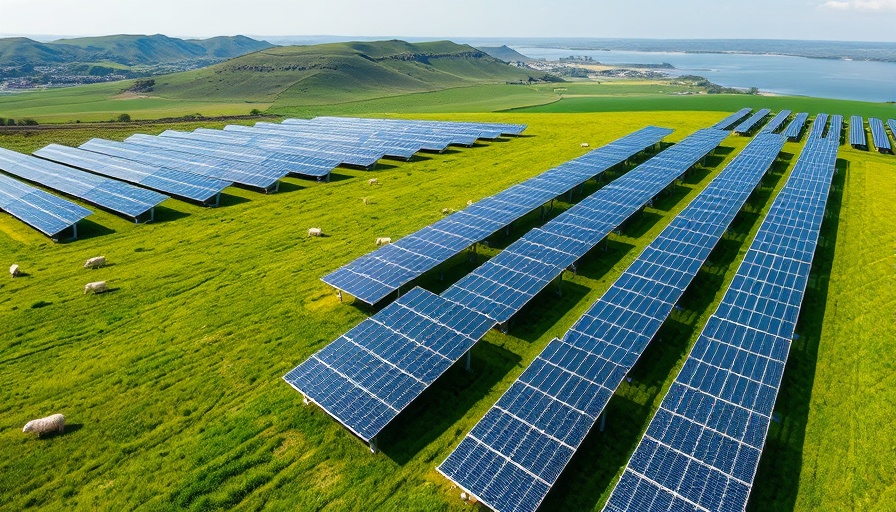
Aerial view of agrivoltaic farm with solar panels and sheep grazing.


A Glimpse into the Future of Agrivoltaics

In Halifax County, Virginia, a revolutionary agrivoltaic project is proudly showcasing how renewable energy and sustainable farming can thrive together. The Crystal Hill Solar site uniquely combines a 65-megawatt solar farm with sheep grazing and an impressive honey-producing apiary housing 500,000 bees. This innovative venture, operated by Urban Grid, is designed to power approximately 10,800 homes annually while creating a community-centered agricultural hub.

Harnessing Nature's Power: How Sheep and Bees Cultivate Sustainability

The integration of livestock and pollinators amid solar panels is not just an aesthetic choice but plays a critical role in sustainable land use. The sheep, which graze between the panels, help control vegetation growth, significantly reducing the need for mechanical mowing. This process not only cuts costs for the project but also supports soil health—an endeavor crucial for maintaining agricultural viability. Adding to this ecological dynamic, Siller Pollinator Company has initiated a 10-hive apiary aimed at producing around 400 pounds of honey each year. The honey will positively impact local communities, benefiting schools, food banks, and faith-based organizations.

Exploring the Broader Implications of Agrivoltaic Systems

The research potential at Crystal Hill Solar is also substantial. By conducting studies on the interactions between pollinators and vegetation, researchers aim to advance the understanding of agrivoltaic systems. Such insights may pave the way for more sustainable farming practices nationwide, allowing farmers to optimize land use while supporting precious bee populations critical to our ecosystems. Allison Wickham of Siller Pollinator Company expressed the research's importance, stating, "This will help shape smarter, more sustainable solar land use across the country." This project not only presents an opportunity for innovation but also a potential blueprint for future agrivoltaic initiatives.

Community and Agricultural Impact: Raising a New Sheep Economy

The presence of sheep at Crystal Hill is more than just a functional aspect; it symbolizes a deeper commitment to creating a new sheep economy in southern Virginia. According to Val Newcomb, vice president of Urban Grid, raising grass-fed lamb enhances local agricultural practices while managing land sustainably. The project's innovative approach fosters an environment where sustainable practices can flourish alongside renewable energy production, setting a precedent for future engagements between agriculture and clean technology.

Challenges on the Horizon for Farmers Seeking Agrivoltaic Solutions

Despite such promising developments, challenges abound. Farmers interested in pursuing similar projects may struggle to secure necessary federal funding. Recently, the USDA announced a moratorium on the Rural Energy for America Program (REAP) funding for agrivoltaic initiatives, prioritizing only those proposals free from certain specified criteria. These hurdles could deter aspiring agrivoltaic farmers unless policy changes facilitate easier paths for funding and support.

Final Thoughts: The Intersection of Renewable Energy and Sustainable Practices

As we navigate the complexities of our climate crisis, innovative solutions like the agrivoltaic project in Virginia present a hopeful narrative. Crystallizing the synergy between solar power, agriculture, and ecological preservation inspires a vision of sustainable futures where communities thrive alongside nature. By embracing such interdependent systems, hospitality professionals—from small eco-lodges to boutique hotels—can take inspiration from these efforts and implement their versions of sustainability on-site, reinforcing their commitment to environmental stewardship.

For those intrigued by the intersection of agriculture and renewable energy, the Crystal Hill Solar project is more than just a solar farm—it's a manifesto for a sustainable future, highlighting the potential for harmonious coexistence between human needs and nature's demands.


Home / Garden

Write A Comment

*
*
Related Posts All Posts
12.12.2025

Explore Sustainable Home Design: Transform Your Front Garden into a Pollinator Sanctuary This Autumn

Update Embrace Autumn: Transforming Your Front Garden into a Pollinator Paradise As we welcome the cooler breezes and the vibrant hues of fall, the changing season presents a unique opportunity for eco-conscious homeowners to enhance their gardens. This year, autumn has shaped my front garden into a spectacle of colors, blooms, and buzzing activity, rich with the life of pollinators amidst the golden days of late-year sunlight. Autumn's Bounty: Upcoming Blooms and Pollinator Dynamics Native plants like the Fall Aster (Symphyotrichum oblongifolium) and the Gulf Muhly are already putting on a show, delighting not just the eye but also providing critical nourishment for our dwindling pollinator populations. As bees, butterflies, and even migrating hummingbirds prepare for winter, these plants ensure that the garden remains a vibrant haven. Each stroll through my garden reveals the buzz of honeybees and the delicate flutters of monarchs, as they navigate through the rich pollen sources provided by my carefully chosen blooms. The beauty of including native species is that they have adapted to the local climate, requiring less water and maintenance—true testaments to sustainability in gardening. Choosing Native Plants: Benefits Beyond Beauty In this journey toward creating a sustainable front garden, incorporating native flora not only beautifies your space but also fosters biodiversity. Native flowers like Gregg's Mistflower and Maxmilian Sunflower offer more than just visual appeal; they actively support local ecosystems by feeding vital wildlife and conserving water. Choosing plants that can thrive on their own means less reliance on chemical fertilizers and pesticides, aligning your gardening practices with eco-friendly principles. Embracing these resilient plants allows us to create gardens that echo the wild landscapes of our region while preserving more resources for generations to come. Water Conservation: The Smart Way to Garden With drought conditions a continual challenge in many areas, water conservation should be a primary concern for gardeners. Many native plants are drought-tolerant and require significantly less water compared to traditional garden species. By adapting our watering techniques and focusing on appropriate plant choices, we can ensure that our gardens thrive while remaining environmentally responsible. Using mulch and establishing rainwater collection systems can also ease the burden of watering while enriching soil health. This mindful approach makes gardening enjoyable without the ongoing battle against nature’s elements. Enhancing Wildlife Habitats: A Community Approach Creating a garden that attracts essential pollinators isn't just a personal undertaking; it contributes to the broader ecological community. By planting a variety of native species, we can develop vital habitats that nurture wildlife through the seasons. This effectively turns your front yard into a sanctuary where birds flock to feed and butterflies find refuge. Actions like leaving some seed heads intact for winter bird feeding or providing shelter plants can further enhance your garden's appeal to local fauna. Simple choices lead to significant joys and connections with nature right in our backyards. Practical Tips for an Eco-Friendly Garden To maximize your garden's sustainability, consider these practical steps: Opt for native plants: Their resilience reduces the need for maintenance and chemical treatments. Collect rainwater: Set up a rain barrel to supplement your watering needs without taxing local resources. Embrace regenerative practices: Techniques such as composting and mulching can enrich your soil and decrease waste. Plant in layers: Create a diverse ecosystem within your garden by mixing various plant heights and types. Celebrate the Change: Your Role in Sustainable Gardening As autumn unfolds, your front garden can transform into a vibrant palette of colors while supporting crucial wildlife and reducing your environmental footprint. Even if you start with just a few native plants, your efforts can contribute significantly to local biodiversity and inspire your neighbors. This season, let’s embrace sustainable gardening practices. Engage with local gardening groups, share tips, and learn from one another's experiences. Together, we can create beautiful, eco-conscious outdoor spaces that reflect our values and enhance the community. Ready to start your gardening transformation? Dive into the world of native plants and sustainable practices!

12.09.2025

How to Make a Bold, Eco-Friendly Christmas Wreath at Home

Learn how to create a bold Christmas wreath idea using foraged materials. Discover eco-friendly gardening practices and seasonal inspiration with this step-by-step guide.

12.08.2025

No Room for a Christmas Tree? Discover Sustainable Plant Alternatives

Discover alternative Christmas plants that fit your space, perfect for eco-friendly gardening and zero-waste practices this festive season.

Terms of Service

Privacy Policy

Core Modal Title

Sorry, no results found

You Might Find These Articles Interesting

T
Please Check Your Email
We Will Be Following Up Shortly
*
*
*