Add Row
Add Element
cropper
update
Kris Liebsch
update
Add Element
  • Home
  • Categories
    • Hospitality
    • Eco-Travel
    • Consumer
    • News / Trends
    • Environmental
    • Transportation
    • Home / Garden
    • Zero-Waste
August 24.2025
3 Minutes Read

How Essex is Leading the Charge From Coal Power Station to Battery Storage

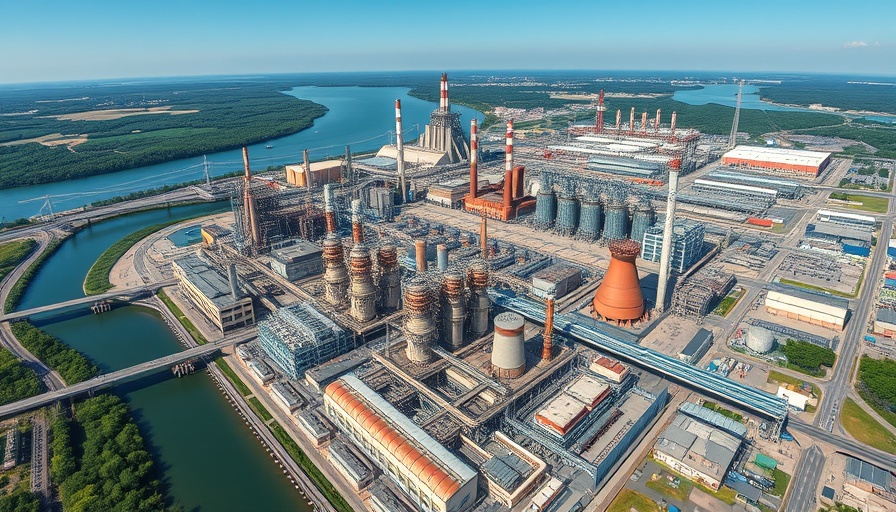
Aerial view of energy storage facility in the UK

The Transformation: From Coal Power to Energy Storage

The landscape of energy production is undergoing a dramatic shift. Once home to the Tilbury A and B coal-burning power stations, Essex is now embracing a new era with the development of the largest energy storage facility in the UK. Known as Statera’s Thurrock Storage Battery, this new venture repurposes the grids and connections from the old coal facilities, exemplifying incredible resourcefulness at a time when the world grapples with climate change.

Why Energy Storage Is Key to Renewable Success

The significance of energy storage cannot be overstated. As we transition to cleaner energy sources like solar and wind, we face the challenge of their intermittency—power isn't generated consistently. The Thurrock Storage Battery holds the potential to store 300 MW of energy, enough to support around 68,000 homes for two hours. This capability means it can respond quickly to demand spikes, helping to stabilize the grid and prevent outages.

Lessons from the Past: Repurposing Infrastructure for a Green Future

What makes this transformation even more intriguing is the repurposing of an infrastructure developed for fossil fuels. The same spaces and connections that once transported coal have now been redesigned to provide renewable energy solutions. This trend is gaining momentum globally; from the reuse of abandoned coal mines for geothermal heat to repurposing gas pipelines for carbon capture. It is a creative rethinking of legacy infrastructure that can bolster the shift to renewable energy.

The Human Element: A Just Transition for Workers

As we transition away from fossil fuels, concerns about job loss loom large. A significant aspect of the shift involves skill transfers from traditional fossil fuel roles to emerging clean-tech industries. This human side of the clean energy transition emphasizes a 'just transition.' By investing in training programs and supporting existing workforces, we can ensure that employees are not only retained but become leaders in renewable energy sectors. For instance, Danish Oil and Gas successfully pivoted to become Ørsted, slashing emissions by 98%.

Global Implications: A Turning Point for Energy Production

While these developments in Essex are noteworthy, they echo global movements towards sustainable energy practices. Countries and companies worldwide are realizing the potential for integrating renewable sources into existing energy infrastructures. This transition is pivotal, not just in energy production but also in shaping economies and communities into greener versions of themselves.

Common Misconceptions About Clean Energy Initiatives

Despite the clear benefits, misconceptions about renewable energy persist. Some critics argue that renewable energy is unreliable or that the switch to clean energy will lead to economic stagnation. However, as illustrated by the successful repurposing of infrastructure and job training programs, these transitions can drive economic growth and environmental sustainability simultaneously.

What This Means for the Future

As we look at the repurposing of coal power stations into energy storage facilities, it’s clear that the future of energy production can be more sustainable. The question remains: how many more coal sites can become incubators for renewable technology? The growing acceptance and implementation of renewable initiatives showcase a blueprint for other regions and countries to follow.

Collectively, these strategies represent an opportunity not only to address climate change but to redefine our understanding of energy and infrastructure. By taking the lessons learned from our fossil-fueled past, we can better construct a cleaner, more resilient energy future.

Let’s keep the conversation going about sustainable practices. Encourage your community to engage with local energy solutions and support efforts towards energy transition.

Environmental

Write A Comment

*
*
Related Posts All Posts
02.23.2026

Discover How Kraft Packaging Drives Sustainable Food Service Solutions

Learn about sustainable food service and how Kraft packaging enhances brand identity while reducing environmental impact.

02.21.2026

Are Biodegradable Plastics Good For The Environment? Insights Revealed

Discover if biodegradable plastics are truly eco-friendly. Learn about their environmental impact, the importance of responsible disposal, and how you can contribute.

02.22.2026

Exploring Beyond Growth: Climate Action and the Media Crisis

Update Beyond Growth: A Sea Change in Climate DiscourseThis week, The Guardian highlighted the pivotal theme of 'Beyond Growth' in a series dedicated to envisioning post-growth futures. In a world increasingly burdened by environmental challenges and economic disparities, this narrative is refreshing and essential. As a society, we must embrace the possibility of thriving beyond conventional economic metrics. These dialogues provide a much-needed lens through which we can understand sustainable practices and policy reforms.The Decline of Climate Regulation in the U.S.Amidst this hopeful backdrop, the recent actions of the Trump administration signify troubling times for climate regulation in the United States. Their revocation of legal standing on such matters echoes the chilling sentiments expressed in George Orwell's dystopian narrative, 1984. Orwell's chilling proclamation that “when we are omnipotent, we shall have no more need of science” resonates strongly in today’s politicized climate conversation. Neglect towards scientific guidance undermines our path towards sustainability, illustrating the imperative for informed governance and public discourse.Journalism in Crisis: The Impact of AISimultaneously, the media landscape faces unprecedented challenges. The Thomson Reuters Foundation recently announced the closure of Context, a notable news site, due to dwindling visitor numbers post the launch of AI search engines. This shift highlights an alarming trend: valuable journalism is being compromised as automated journalism takes precedence over human insight. The ongoing tension between technology and journalism prompts a critical reflection on the future of reliable news sources and our reliance on AI-generated content.Your Interests and Climate AdvocacyThis week also saw climate journalist Sammy Roth leverage the Super Bowl's spotlight, using his platform to advocate for energy and climate justice through a thoughtful analysis of Bad Bunny's halftime performance. The blending of entertainment and advocacy is vital as it draws attention to significant issues like climate change and sustainable energy. Those of us engaged in hospitality and eco-tourism can take notes from such strategic integrations—unifying enjoyment with meaningful advocacy can amplify our impact.A Glimmer of OptimismTurning towards the positive, environmentalist Fred Pearce offers five compelling reasons to remain optimistic about the future, encouraging us to embrace hope amidst challenges. This notion of optimism is crucial in eco-hospitality, where sustainable practices and a commitment to the environment form the foundation of any business model. Through conversations, innovations, and practices that celebrate ecological principles, we can foster an optimistic outlook.Reflecting on Our Journey and the Path AheadAs I pause to reflect on my writing journey this week, it’s a reminder that sometimes the best insights come from reconsidering what we choose to share. The process of refining ideas can lead us to more profound understandings, even if it means leaving some articles unpublished. With half-term approaching, it’s also an opportune moment to recharge and reassess our direction. Use these insights to engage your community more deeply, and consider how you can advocate effectively.Embracing Change: Key TakeawaysIn conclusion, as we navigate through these evolving narratives—be it the need for climate regulation, the crisis in journalism, or climate advocacy through popular culture—it's vital to remain proactive. These discussions promote actionable insights that not only enrich our lives personally but contribute to a broader understanding of our environmental duties and responsibilities. Embracing these changes is crucial for sustainable progress.Let's collaborate on these pivotal discussions. In fostering dialogue, we can illuminate various pathways towards sustainability and enriched community experiences.

Terms of Service

Privacy Policy

Core Modal Title

Sorry, no results found

You Might Find These Articles Interesting

T
Please Check Your Email
We Will Be Following Up Shortly
*
*
*