Add Row
Add Element
cropper
update
Kris Liebsch
update
Add Element
  • Home
  • Categories
    • Hospitality
    • Eco-Travel
    • Consumer
    • News / Trends
    • Environmental
    • Transportation
    • Home / Garden
    • Zero-Waste
June 13.2025
2 Minutes Read

EPA's Deregulation: What It Means for the Future of Sustainable Hospitality

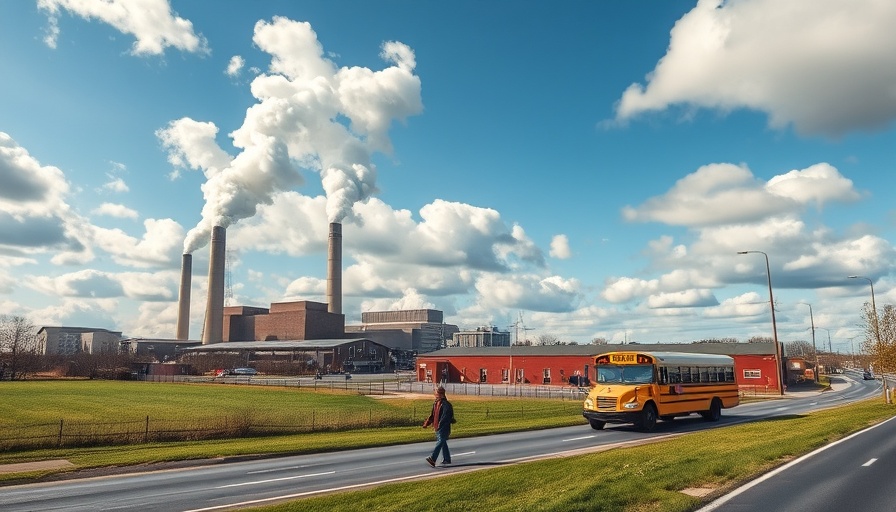
Power plant emissions near suburban road with school bus.

Trump EPA's Deregulation: A Stark Change in Environmental Policy

The United States Environmental Protection Agency (EPA) recently unveiled a controversial plan that threatens to roll back crucial pollution rules targeting power plants. This action could significantly increase greenhouse gas emissions and allow for the release of harmful toxic chemicals such as mercury into the environment.

The Repeal That Could Affect Lives

On June 12, 2025, the EPA announced its intention to repeal landmark pollution regulations designed to curb greenhouse gases from power plants. Environmental advocates are alarmed, particularly since these regulations are projected to prevent around 30,000 premature deaths each year and save taxpayers about $275 billion in health-related costs. According to Senator Sheldon Whitehouse from Rhode Island, these changes represent a significant step back for public health and ecological safety.

Implications for Vulnerable Communities

The EPA's drastic actions may disproportionately affect low-income communities and populations of color, who often bear the burden of industrial pollution. Reports indicate that informal studies have shown these areas already face higher rates of health issues stemming from pollutant exposure. “Ignoring the immense harm to public health is a clear violation of the law,” stated Manish Bapna, the CEO of the Natural Resources Defense Council.

Industry Perspectives: Balancing Economics and Health

In defending the changes, EPA Administrator Lee Zeldin articulated that repealing these rules would 'unleash' American energy by reducing costs for companies. While the economic implications are notable, critics argue such a stance prioritizes industry profits over public health interests. Experts warn that the increased emissions from a relaxed regulatory environment could exacerbate climate change, leading to more severe weather events such as hurricanes, floods, and wildfires.

Future Predictions: Climate Awareness and Eco-Friendly Practices

This latest regulatory rollback comes amidst a broader backdrop of climate inaction and growing environmental crises. Boutique hospitality professionals must keenly observe these developments as they can impact community sustainability and eco-conscious operational practices. Small-scale hotel owners and eco-lodge operators might feel the repercussions of increased pollution in nearby regions, which could deter visitors seeking clean environments.

Taking Action: Moving Towards Sustainable Hospitality

As an integral part of the hospitality industry, professionals have a unique opportunity to promote climate awareness and combat the effects of deregulation. Implementing sustainable practices, such as engaging in 'chaos gardening' or sourcing local, organic goods, can not only attract eco-minded guests but also contribute positively to the environment. By advocating for cleaner, healthier practices in their operations, these professionals can lead by example.

Conclusion: The Road Ahead in Sustainable Hospitality

In light of these shifting policies, boutique hospitality leaders must rethink their approach to environmental stewardship. Engaging with local communities to support restoration of nature reserves, fostering awareness about pollution, and utilizing alternatives to single-use plastics can set a new standard in the industry. As public concern about health and the environment grows, the demand for eco-friendly options will only increase, presenting both challenges and opportunities for those in the hospitality sector.

Environmental

Write A Comment

*
*
Related Posts All Posts
02.23.2026

Discover How Kraft Packaging Drives Sustainable Food Service Solutions

Learn about sustainable food service and how Kraft packaging enhances brand identity while reducing environmental impact.

02.21.2026

Are Biodegradable Plastics Good For The Environment? Insights Revealed

Discover if biodegradable plastics are truly eco-friendly. Learn about their environmental impact, the importance of responsible disposal, and how you can contribute.

02.22.2026

Exploring Beyond Growth: Climate Action and the Media Crisis

Update Beyond Growth: A Sea Change in Climate DiscourseThis week, The Guardian highlighted the pivotal theme of 'Beyond Growth' in a series dedicated to envisioning post-growth futures. In a world increasingly burdened by environmental challenges and economic disparities, this narrative is refreshing and essential. As a society, we must embrace the possibility of thriving beyond conventional economic metrics. These dialogues provide a much-needed lens through which we can understand sustainable practices and policy reforms.The Decline of Climate Regulation in the U.S.Amidst this hopeful backdrop, the recent actions of the Trump administration signify troubling times for climate regulation in the United States. Their revocation of legal standing on such matters echoes the chilling sentiments expressed in George Orwell's dystopian narrative, 1984. Orwell's chilling proclamation that “when we are omnipotent, we shall have no more need of science” resonates strongly in today’s politicized climate conversation. Neglect towards scientific guidance undermines our path towards sustainability, illustrating the imperative for informed governance and public discourse.Journalism in Crisis: The Impact of AISimultaneously, the media landscape faces unprecedented challenges. The Thomson Reuters Foundation recently announced the closure of Context, a notable news site, due to dwindling visitor numbers post the launch of AI search engines. This shift highlights an alarming trend: valuable journalism is being compromised as automated journalism takes precedence over human insight. The ongoing tension between technology and journalism prompts a critical reflection on the future of reliable news sources and our reliance on AI-generated content.Your Interests and Climate AdvocacyThis week also saw climate journalist Sammy Roth leverage the Super Bowl's spotlight, using his platform to advocate for energy and climate justice through a thoughtful analysis of Bad Bunny's halftime performance. The blending of entertainment and advocacy is vital as it draws attention to significant issues like climate change and sustainable energy. Those of us engaged in hospitality and eco-tourism can take notes from such strategic integrations—unifying enjoyment with meaningful advocacy can amplify our impact.A Glimmer of OptimismTurning towards the positive, environmentalist Fred Pearce offers five compelling reasons to remain optimistic about the future, encouraging us to embrace hope amidst challenges. This notion of optimism is crucial in eco-hospitality, where sustainable practices and a commitment to the environment form the foundation of any business model. Through conversations, innovations, and practices that celebrate ecological principles, we can foster an optimistic outlook.Reflecting on Our Journey and the Path AheadAs I pause to reflect on my writing journey this week, it’s a reminder that sometimes the best insights come from reconsidering what we choose to share. The process of refining ideas can lead us to more profound understandings, even if it means leaving some articles unpublished. With half-term approaching, it’s also an opportune moment to recharge and reassess our direction. Use these insights to engage your community more deeply, and consider how you can advocate effectively.Embracing Change: Key TakeawaysIn conclusion, as we navigate through these evolving narratives—be it the need for climate regulation, the crisis in journalism, or climate advocacy through popular culture—it's vital to remain proactive. These discussions promote actionable insights that not only enrich our lives personally but contribute to a broader understanding of our environmental duties and responsibilities. Embracing these changes is crucial for sustainable progress.Let's collaborate on these pivotal discussions. In fostering dialogue, we can illuminate various pathways towards sustainability and enriched community experiences.

Terms of Service

Privacy Policy

Core Modal Title

Sorry, no results found

You Might Find These Articles Interesting

T
Please Check Your Email
We Will Be Following Up Shortly
*
*
*