 Add Row
  Add
Add 


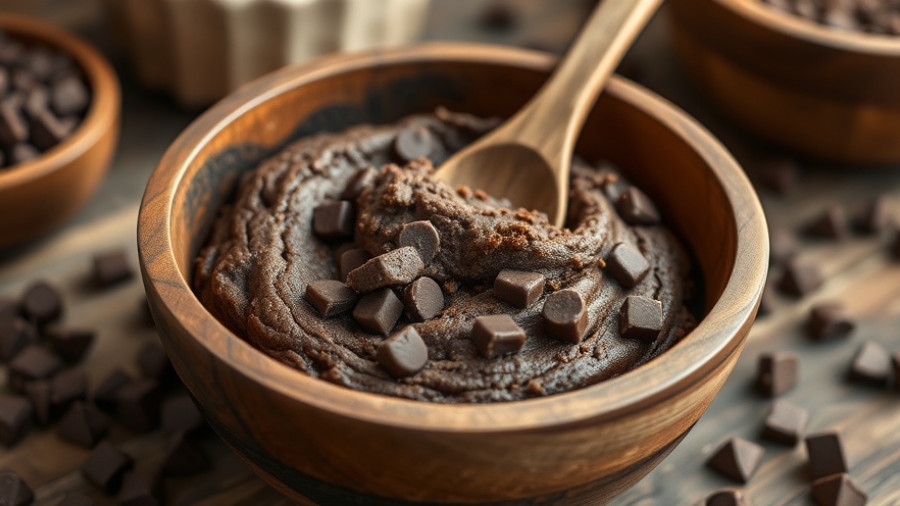
Embrace Sustainability with DIY Baking Ingredients
As boutique hospitality professionals, you know the importance of delivering quality experiences without compromising sustainability. The idea of making your own baking ingredients can feel foreign at first, but it’s a wonderful opportunity that cuts costs and reduces waste. Imagine whipping up delicious offerings in your small hotel, Airbnb, or eco-lodge without a special trip to the grocery store—it not only saves time but is also better for the planet!
Top Nine DIY Baking Ingredients
When those unexpected moments arrive—like discovering you're out of a vital baking ingredient—take a breath. Here’s a handy guide to nine baking staples you can easily prepare at home:
- Brown Sugar: Combine white sugar and molasses for a homemade treat.
- Powdered Sugar: Blend granulated sugar with cornstarch until finely powdered.
- Cake Flour: Mix regular flour with cornstarch—a straightforward substitution!
- Baking Powder: Easily made from baking soda, cream of tartar, and cornstarch.
- Pumpkin Pie Spice: Mix cinnamon, ginger, and nutmeg to whip up your own blend.
- Vegan Sweetened Condensed Milk: Perfect for your plant-based guests.
- Evaporated Milk: A simple process if you have regular milk on hand.
- Vanilla Extract: Substitute with maple syrup or bourbon in a pinch.
- Buttermilk: Create your own using regular milk and vinegar.
Why Making Ingredients Matters
This practice not only reduces time spent shopping but also helps utilize ingredients you may already have in your pantry. As an eco-conscious entrepreneur, employing these substitutes means less food waste and a more sustainable approach to your baking practices.
Facing Common Misconceptions
Many people think that homemade alternatives might compromise flavor, but that’s simply not true! For example, culinary experts suggest that certain ingredient swaps—like using coconut oil instead of butter—can enhance flavor while keeping your recipes healthier and vegan-friendly. Plus, home cooks often report better texture and taste when they customize ingredients.
Make a Meaningful Impact
Incorporating these substitutes not only adds variety to your offering but also aligns with the growing demand for sustainability in hospitality—from guests seeking zero-waste practices to those preferring eco-friendly environments.
Try It Yourself and Share
Next time a key ingredient runs low, give these substitutions a go. Engage your guests with the story behind your ingredients, emphasizing sustainability and freshness. You could even launch a special “DIY Baking Week” where guests can learn about and participate in making these substitutions.
Ultimately, promoting a sustainable kitchen can differentiate your hospitality service from others while fostering a more rewarding culinary experience. Lead the way in sustainability by showcasing eco-friendly practices.
Are you ready to elevate your baking game while reducing your ecological footprint? Discover more sustainable practices and DIY solutions for your hospitality business!


Write A Comment