Add Row
Add Element
cropper
update
Kris Liebsch
update
Add Element
  • Home
  • Categories
    • Hospitality
    • Eco-Travel
    • Consumer
    • News / Trends
    • Environmental
    • Transportation
    • Home / Garden
    • Zero-Waste
May 14.2025
3 Minutes Read

Engaging Kids in Eco-Friendly Gardening: A Guide for Parents

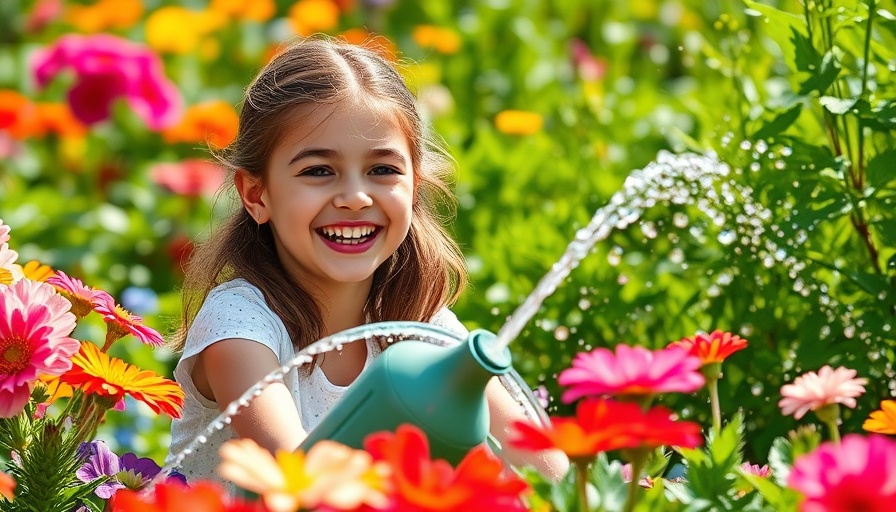
Joyful girl practicing eco-friendly gardening by watering flowers.


Gardening Together: Cultivating Knowledge and Connection

Gardening is more than just planting seeds; it’s an invitation for children to engage with nature, learn where their food comes from, and develop a sense of responsibility. Many children today don't realize the journey that food takes from the garden to their plate. By engaging kids in gardening, not only do they gain valuable knowledge, but they also foster a deeper, more meaningful connection to their food. For instance, watching a child pick ripe tomatoes or harvest kale can be a delightful moment that builds their excitement for healthy eating, right from the garden to the dinner table.

Creating the Perfect Gardening Spot

As you begin to set the stage for your children’s gardening adventure, it is crucial to select an appropriate plot that brings together sunlight and nutrient-rich soil. Each of my children has their small gardening bed where they can learn the ins and outs of planting. This hands-on experience is essential for their emotional and intellectual growth. Establishing a manageable garden tailors the experience to their maturity and attention span, ensuring they feel a sense of accomplishment each time they tend to it.

Choosing the Right Plants for Young Gardeners

To maintain enthusiasm, choose fun and easy-to-grow crops. Sugar snap peas and cherry tomatoes have been delightful staples in our garden, as they are not only simple to harvest but also allow for quick, rewarding results. These vegetables can boost children’s confidence as they experience the joys of picking fresh produce. If space allows, consider introducing pumpkins or squash; these plants can help children learn patience as they wait for the fruits to mature.

Encouraging Independence in Learning

As a guiding figure, it’s essential for parents to balance instruction with freedom, allowing children to explore their interests within gardening. This can be beneficial for their creativity and self-esteem. For instance, my daughter’s eagerness to grow flowers, despite my preference for vegetables, showcases her developing choices. The joys of gardening should be about personal exploration and find a happy medium between what promotes healthy eating and what excites their curiosity.

From the Garden to the Dinner Table

One of the most rewarding aspects of gardening together is cooking meals that showcase the fruits of your labor. Engaging your children in this process reinforces the value of their efforts and maintains their motivation, especially as weeds may encroach on their tender plants. Planning dinners around specific vegetables cultivates a sense of pride and joy—my kids love to harvest fresh ingredients for a family meal. Plus, knowing how to handle the plants safely, like ensuring that no parsley is uprooted during a harvest, teaches them critical life skills.

Ultimate Benefits of Eco-Friendly Gardening

Engaging in eco-friendly gardening practices goes beyond just being a fun activity. It promotes sustainable home design and biodiversity, contributing to energy efficiency and water conservation. Teaching children these principles instills a long-lasting appreciation for nature and the environment. Understanding zero-waste practices through composting and natural landscaping helps nurture a greener mindset that they carry throughout their lives.

A Step Towards the Future

Fostering a passion for gardening in children not only benefits their development but also contributes to a broader movement towards sustainability. By incorporating these practices within hotel operations, boutique hospitality professionals can enrich their guests' experiences. Providing gardens for guests to explore and engage with can transform their stay into an immersive learning experience, brightening their connection to eco-conscious living.

In conclusion, nurturing a child's interest in gardening is vital for developing their awareness of food systems. Each small step contributes to their understanding of sustainable practices and can deeply enrich their lives. As you cultivate that garden together, remember it’s not just about growing plants; it’s about nurturing future generations of eco-conscious individuals who understand the impact of their choices.


Home / Garden

Write A Comment

*
*
Related Posts All Posts
12.12.2025

Explore Sustainable Home Design: Transform Your Front Garden into a Pollinator Sanctuary This Autumn

Update Embrace Autumn: Transforming Your Front Garden into a Pollinator Paradise As we welcome the cooler breezes and the vibrant hues of fall, the changing season presents a unique opportunity for eco-conscious homeowners to enhance their gardens. This year, autumn has shaped my front garden into a spectacle of colors, blooms, and buzzing activity, rich with the life of pollinators amidst the golden days of late-year sunlight. Autumn's Bounty: Upcoming Blooms and Pollinator Dynamics Native plants like the Fall Aster (Symphyotrichum oblongifolium) and the Gulf Muhly are already putting on a show, delighting not just the eye but also providing critical nourishment for our dwindling pollinator populations. As bees, butterflies, and even migrating hummingbirds prepare for winter, these plants ensure that the garden remains a vibrant haven. Each stroll through my garden reveals the buzz of honeybees and the delicate flutters of monarchs, as they navigate through the rich pollen sources provided by my carefully chosen blooms. The beauty of including native species is that they have adapted to the local climate, requiring less water and maintenance—true testaments to sustainability in gardening. Choosing Native Plants: Benefits Beyond Beauty In this journey toward creating a sustainable front garden, incorporating native flora not only beautifies your space but also fosters biodiversity. Native flowers like Gregg's Mistflower and Maxmilian Sunflower offer more than just visual appeal; they actively support local ecosystems by feeding vital wildlife and conserving water. Choosing plants that can thrive on their own means less reliance on chemical fertilizers and pesticides, aligning your gardening practices with eco-friendly principles. Embracing these resilient plants allows us to create gardens that echo the wild landscapes of our region while preserving more resources for generations to come. Water Conservation: The Smart Way to Garden With drought conditions a continual challenge in many areas, water conservation should be a primary concern for gardeners. Many native plants are drought-tolerant and require significantly less water compared to traditional garden species. By adapting our watering techniques and focusing on appropriate plant choices, we can ensure that our gardens thrive while remaining environmentally responsible. Using mulch and establishing rainwater collection systems can also ease the burden of watering while enriching soil health. This mindful approach makes gardening enjoyable without the ongoing battle against nature’s elements. Enhancing Wildlife Habitats: A Community Approach Creating a garden that attracts essential pollinators isn't just a personal undertaking; it contributes to the broader ecological community. By planting a variety of native species, we can develop vital habitats that nurture wildlife through the seasons. This effectively turns your front yard into a sanctuary where birds flock to feed and butterflies find refuge. Actions like leaving some seed heads intact for winter bird feeding or providing shelter plants can further enhance your garden's appeal to local fauna. Simple choices lead to significant joys and connections with nature right in our backyards. Practical Tips for an Eco-Friendly Garden To maximize your garden's sustainability, consider these practical steps: Opt for native plants: Their resilience reduces the need for maintenance and chemical treatments. Collect rainwater: Set up a rain barrel to supplement your watering needs without taxing local resources. Embrace regenerative practices: Techniques such as composting and mulching can enrich your soil and decrease waste. Plant in layers: Create a diverse ecosystem within your garden by mixing various plant heights and types. Celebrate the Change: Your Role in Sustainable Gardening As autumn unfolds, your front garden can transform into a vibrant palette of colors while supporting crucial wildlife and reducing your environmental footprint. Even if you start with just a few native plants, your efforts can contribute significantly to local biodiversity and inspire your neighbors. This season, let’s embrace sustainable gardening practices. Engage with local gardening groups, share tips, and learn from one another's experiences. Together, we can create beautiful, eco-conscious outdoor spaces that reflect our values and enhance the community. Ready to start your gardening transformation? Dive into the world of native plants and sustainable practices!

12.09.2025

How to Make a Bold, Eco-Friendly Christmas Wreath at Home

Learn how to create a bold Christmas wreath idea using foraged materials. Discover eco-friendly gardening practices and seasonal inspiration with this step-by-step guide.

12.08.2025

No Room for a Christmas Tree? Discover Sustainable Plant Alternatives

Discover alternative Christmas plants that fit your space, perfect for eco-friendly gardening and zero-waste practices this festive season.

Terms of Service

Privacy Policy

Core Modal Title

Sorry, no results found

You Might Find These Articles Interesting

T
Please Check Your Email
We Will Be Following Up Shortly
*
*
*