 Add Row
  Add
Add 


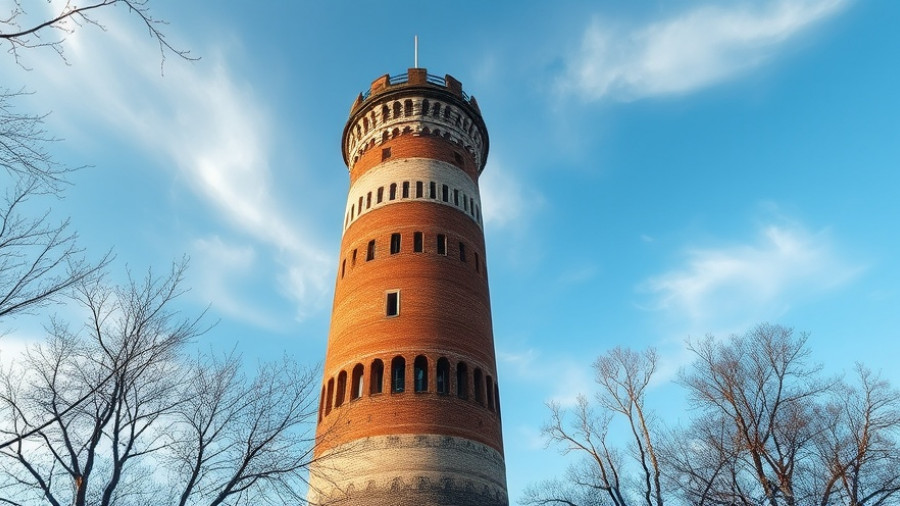
Discover a Gem: Cento, the Heart of Emilia
Between Bologna and Ferrara lies Cento, often referred to as "Little Bologna," a charming town that encapsulates the richness of the Emilia-Romagna region. With a wealth of historical sites, vibrant culture, and culinary delights, Cento is perfect for weekend visitors looking for an enriching yet relaxed travel experience.
Experience Cento's Artistic Treasures
The beating heart of Cento can be found at Piazza del Guercino. This lively square, surrounded by elegant arcades and dominated by the impressive Rocca fortress, offers a glimpse into the town's storied past. The Rocca, dating back to the 15th century, served as a defense mechanism, reflecting the town's rich history. Visitors can immerse themselves in local life, exploring bustling markets and quaint cafes under the porticoes.
Also notable is Cento's connection to the Baroque master Guercino. The G.B. Guercino Civic Art Gallery houses many of his masterpieces, providing an opportunity for art lovers to appreciate the beauty of his work alongside other regional artists. Further excursions include the Church of San Rocco and the Collegiate Church of San Biagio, where stunning frescoes transport you to a different era. Potential visitors should note that the Cento Carnival, twinned with Rio de Janeiro’s famed celebration, lights up the town with parades and festive joy, creating unforgettable memories.
Delight Your Taste Buds With Emilian Cuisine
Cento's culinary scene offers authentic flavors that tell the story of local traditions. Treat your taste buds to the pumpkin "cappellacci" from Ferrara or indulge in the famous tortellini, perfect for a cozy meal during colder months. Don't miss specialties such as Bologna mortadella and cotechino served with mashed potatoes, complemented by a glass of sparkling Lambrusco, the region’s signature wine.
For those seeking to take home a slice of Cento’s culinary richness, local artisan shops and farmers' markets provide a plethora of options from cheeses to fresh pasta, all reflecting the area’s vibrant food culture.
Nature Escapes: Exploring the Surroundings of Cento
Just outside Cento, the Bosco della Panfilia offers a breathtaking natural retreat, featuring one of the last ancient forests in the Po Valley. Spanning over 80 hectares, this ecological treasure is perfect for serene walks, allowing visitors to reconnect with nature. The forest, home to a diverse range of flora and fauna, provides engaging trails that cater to both relaxed and active explorers.
Nearby, the picturesque village of Pieve di Cento showcases a rich history with its Roman architecture, 9th-century church, and stunning artistic treasures. Here, the MAGI ‘900 Museum, hosted in a converted grain silo, exhibits captivating 20th-century art collections.
Eco-Conscious Stay: Embrace Sustainable Tourism
A vital aspect of exploring Cento is participating in sustainable tourism. Consider staying at Agriturismo Biologico La Lepre Bianca, an eco-friendly farmhouse located in the beautiful Ferrara countryside. This sustainable accommodation not only offers a comfortable experience but also relies on renewable energy and organic farming practices, allowing guests to appreciate nature while minimizing their environmental impact. Indulge in meals made from zero-kilometer ingredients right from the property, making your visit both enjoyable and sustainable.
By choosing eco-conscious stays and supporting local businesses, travelers can contribute to a more sustainable tourism model that respects both the environment and local culture.
Your Weekend Awaits: Why Cento is a Must-Visit Destination
Cento represents a perfect blend of culture, nature, and gastronomy, appealing to tourists of all kinds. With its slow-paced lifestyle and rich artistic heritage, the town invites tourists to embrace its charm without the rush typical of larger cities.
If you’re looking for a close encounter with tradition, culinary delights, and nature, plan a weekend in Cento. Besides its breathtaking sights and flavors, this small gem teaches us valuable lessons about sustainability and the importance of preserving local culture in today’s fast-moving world.


Write A Comment